Captive Passage - Middle Passage
The Mariners' Museum
The Transatlantic Slave Trade QuizResourcesSponsorsHome
IntroductionDepartureMiddle PassageArrivalAbolitionLegacy

Captive Passage: The Transatlantic Slave Trade and the Making of the Americas

Captive Passage
has been made
possible in part by:
National Endowment for the Humanities
Recognition of
additional sponsors
for this exhibition
can be found by
clicking on
ExhibitionSponsors.

Middle PassageSailing and StormsStowageIllness and Death
Ships and CrewsProvisionsEnduring the Middle PassageResistance

Illness and Death

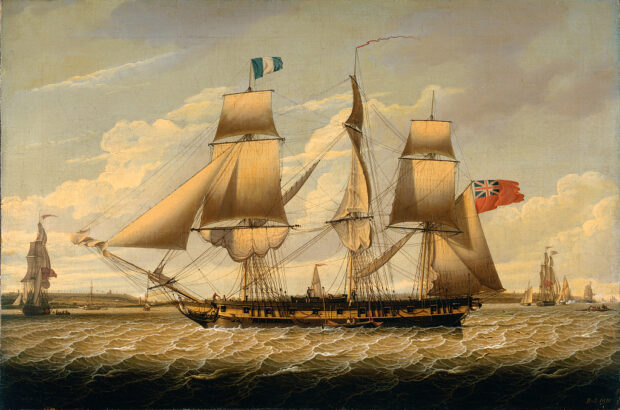
Conditions on board the typical merchant ship during this period would be considered appalling to twenty-first century sensibilities, but the conditions experienced by the captives were far lower than the typical poor sanitation and accommodations. Seasickness was common and the heat was oppressive. The suffocating conditions and a lack of sanitation resulted in a constant threat of disease. Epidemics of fever, dysentery (the "flux"), and smallpox were common.

Danse de Nègres
Danse de Nègres
In good weather the captives exercised on deck; of course this was typically forced exercise. The captives ate twice a day, with force-feeding being utilized when they attempted to refuse food. The body of a captive who did not survive the voyage would be thrown overboard. The combination of disease, inadequate food, rebellion, and punishment took a heavy toll on the captives and crew. Surviving records suggest that until the 1750s, the death rate for captives on board slave ships was above ten percent.

Several European governments, including Great Britain and France, then introduced laws to regulate conditions on the ships. They limited the number of captives to be carried on each voyage and required a surgeon to be on board all slave ships. These reforms were enacted primarily out of concern for the crew, not for the captives.


Continue to:
Ships and Crews


The Transatlantic Slave Trade Quiz | Resources | Sponsors | Home
Introduction | Departure | Middle Passage | Arrival | Abolition | Legacy


Age of Exploration Make some discoveries of your own in this guide to 1000 years of maritime exploration. learn more USS Monitor: History and Legacy This Civil War ironclad was a technological marvel; explore her continuing story. learn more Chesapeake Bay: Our History and Our Future From the Powhatan Indians to modern shipbuilding, explore the character of the nation’s largest estuary. learn more Captive Passage: The Transatlantic Slave Trade and the Making of the Americas They arrived in chains, but their contributions have forged new links in the history of the Americas. learn more Battle of the Atlantic: Allied Naval Intelligence in World War II While German U-boats wrecked havoc on merchant shipping in the Atlantic, Allied intelligence worked diligently to break the enemy's communication codes. learn more Birth of the Navy Follow the US on its journey to becoming the world’s leading naval power. learn more Women and the Sea She used to remain on shore, but today, she captains the ship. learn more [ Navigation Bar ]

Copyright © 2002 by The Mariners' Museum