Captive Passage - Middle Passage
The Mariners' Museum
The Transatlantic Slave Trade QuizResourcesSponsorsHome
IntroductionDepartureMiddle PassageArrivalAbolitionLegacy

Captive Passage: The Transatlantic Slave Trade and the Making of the Americas

Activities: Sea Chest

Captive Passage
has been made
possible in part by:
National Endowment for the Humanities
Recognition of
additional sponsors
for this exhibition
can be found by
clicking on
ExhibitionSponsors.

Middle PassageSailing and StormsStowageIllness and Death
Ships and CrewsProvisionsEnduring the Middle PassageResistance

Ships and Crews

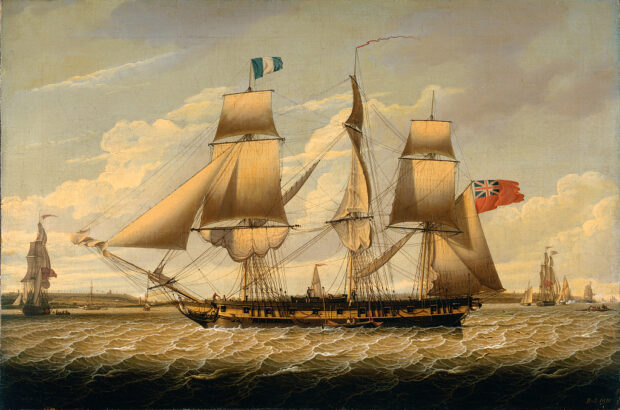
Brig Sultana
Brig Sultana
Your captains and mates ... must neither have dainty fingers nor dainty noses, few men are fit for these voyages but them that are bred up to it. It's a filthy voyage as well as a laborious [one].

Sir Dalby Thomas, from An historical account of the growth of the West-India colonies, and of the great advantages they are to England, in respect to trade, London, 1690

Vue du Cap Français et du Navire La Marie-Séraphique
Slave ships were merely merchant ships altered below deck to house as many humans as possible. Like other businessmen, slave ship owners lessened the risk on their investments by insuring their ships and cargoes.
John Newton
John Newton

Slave ship captains had to deal with difficult crews, prevent or suppress rebellions, and bring in a profit. The risks were great, but so were the rewards: after a few successful voyages, a captain could buy his own ship or operate one as a part owner.

The ordinary seamen sailing the Middle Passage were often not much better off than the African captives. Pay was poor, conditions were unhealthy, and danger was ever present. Normally about one-fifth of a slave ship crew died on any given voyage. It was not unusual for crews to include free blacks or slaves rented out by their masters.


Continue to:
Activity: Sea Chest


The Transatlantic Slave Trade Quiz | Resources | Sponsors | Home
Introduction | Departure | Middle Passage | Arrival | Abolition | Legacy


Age of Exploration Make some discoveries of your own in this guide to 1000 years of maritime exploration. learn more USS Monitor: History and Legacy This Civil War ironclad was a technological marvel; explore her continuing story. learn more Chesapeake Bay: Our History and Our Future From the Powhatan Indians to modern shipbuilding, explore the character of the nation’s largest estuary. learn more Captive Passage: The Transatlantic Slave Trade and the Making of the Americas They arrived in chains, but their contributions have forged new links in the history of the Americas. learn more Battle of the Atlantic: Allied Naval Intelligence in World War II While German U-boats wrecked havoc on merchant shipping in the Atlantic, Allied intelligence worked diligently to break the enemy's communication codes. learn more Birth of the Navy Follow the US on its journey to becoming the world’s leading naval power. learn more Women and the Sea She used to remain on shore, but today, she captains the ship. learn more [ Navigation Bar ]

Copyright © 2002 by The Mariners' Museum