- This Page Sponsored by:
  Mr. Kenneth Hobbs
of Chesapeake, VA.
click here >
Location and Directions
Hours and Admission
Group Visits
Museum Cafe
Park and Lake
Museum Rental
Media Center
Museum History
Job Opportunities
Volunteers
Contact Us
Stay up-to-date with the
exciting events going on
at The Mariners’ Museum
by signing up for our
FREE email newsletter.
E-Mail
First Name
Last Name

Zip Code


Museum History

Archer Milton Huntington For over seventy years, the history of the ocean and its relationship with humankind has been told and dispalyed in one of the largest maritime museums in the world.

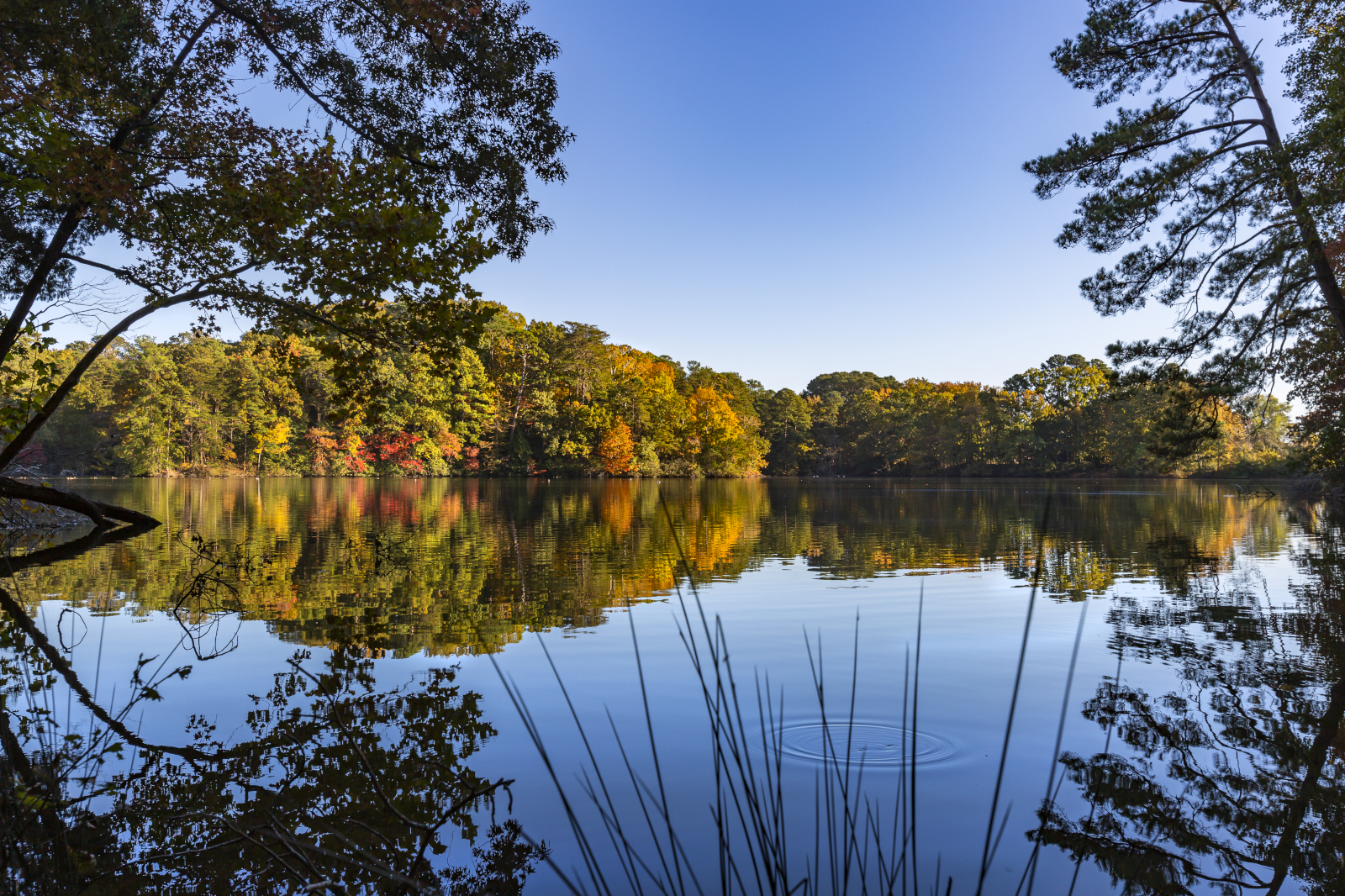
Archer and his wife, sculptor Anna Hyatt Huntington, acquired 800 acres of land that would come to hold 61,000 square feet of exhibition galleries, a research library, a 167-acre lake, a five-mile shoreline trail with fourteen bridges, and over 35,000 maritime artifacts from around the globe. After acquisition took place, the first two years were devoted to creating and improving a natural park and constructing a dam to create Lake Maury, named after the nineteenth-century Virginia oceanographer Commodore Matthew Fontaine Maury.

Lion's Bridge

Known as the Lion’s Bridge, the dam forming the lake provides a breathtaking view of the James River, as well as a family gathering place to enjoy the Museum Park. The beauty of the dam is enhanced by several fine pieces of statuary designed by Anna Hyatt Huntington. Four stone lions were mounted on the ends of the parapets of the dam in October 1932. Anna also created and dedicated a monument entitled “Conquering the Wild.” The central theme of this monument consists of a man engaged in a titanic struggle to subdue a rearing horse. Elevated on a massive octagonal Indiana limestone pedestal and flanked at four corners by life-size figures representing science, art, learning, and industry, the monument overlooks the Lion’s Bridge, the Park, and Lake Maury.

The Museum’s collection totals approximately 35,000 artifacts, of which approximately one-third are paintings and two-thirds are three-dimensional objects. This vast collection of maritime objects had to be aggressively acquired by Museum agents. On August 1, 1933, regular collectors were inaugurated. The first purchases of artifacts in any quantity were made in New York and New England. Since the scope of the Museum would be international, contacts were made in lands such as Holland, England, China, and the South Sea Islands. In 1935, its was deemed desirable to extend the Museum’s collecting expedition to the West Indies and the Spanish Main. In January 1936, a 9,200-mile trip southward touched Cuba, Haiti, the Dominican Republic, and Jamaica. The Museum even commissioned a yachtsman embarking on a round-the-world voyage to acquire maritime material.

Collis P. Huntington, the rail baron who formed the Central Pacific railroad in the west and the C&O in the east, provided his son, Archer Huntington, with the wherewithal and wisdom to form several enduring museums with a combination of objects, books, and endowments. Much of the early bibliographic holdings of The Mariners’ Museum were obtained from Archer Huntington’s personal library. The marine artifacts were acquired by a small platoon of carefully selected individuals working under the guidance of Huntington and Newport News Shipyard’s legendary president, Homer Ferguson.

Some of the Museum’s most noted highlights include:

sextant
Edwin Levick Collection photograph
Turret of the USS Monitor
the Peter W. Ifland Collection of Navigation Instruments that contains 169 navigation pieces covering five centuries the Edwin Levick Collection of nearly 30,000 photographs documenting many yachting events and America’s Cup races the artifacts and archives of the Civil War ironclad USS Monitor, including its iconic gun turret raised from the ocean’s depths after 140 years and currently undergoing conservation
August F. Crabtree Collection

Adney Canoe Collection

Chris-Craft Exhibtion

the Miniature Ships of August F. Crabtree, consisting of sixteen intricately detailed vessels that document the evolution of the sailing ship

the Adney Canoe Collection

the Chris-Craft Industries collection of company archives from 1922 through 1980, a collection considered to be an unusually thorough history of a boatbuilding company.

Samuel Clemens’s (Mark Twain’s) steamboat pilot’s certificate, dated April 9, 1859 (at right)

the Eldredge Collection of steamship material

the Lighthouse and Life-Saving Collection

Samuel Clemens' steamboat pilot certificate

Captain John Smith’s map (1639), which depicts early English exploration of the Chesapeake Bay region

the 3,000-pound gilt eagle figurehead from the U.S. Navy frigate Lancaster, rescued from a chandler’s shop in Boston in the 1930s


Exhibitions & CollectionsVisitor Info. LibraryEducational AdventuresImage Collections MembershipShop
CopyrightQuestions & CommentsCreditsLocationContact Us